


Joe Fuechtmann
Updated 10:29 AM CDT, Thu May 7, 2026
Published Under: Fraud
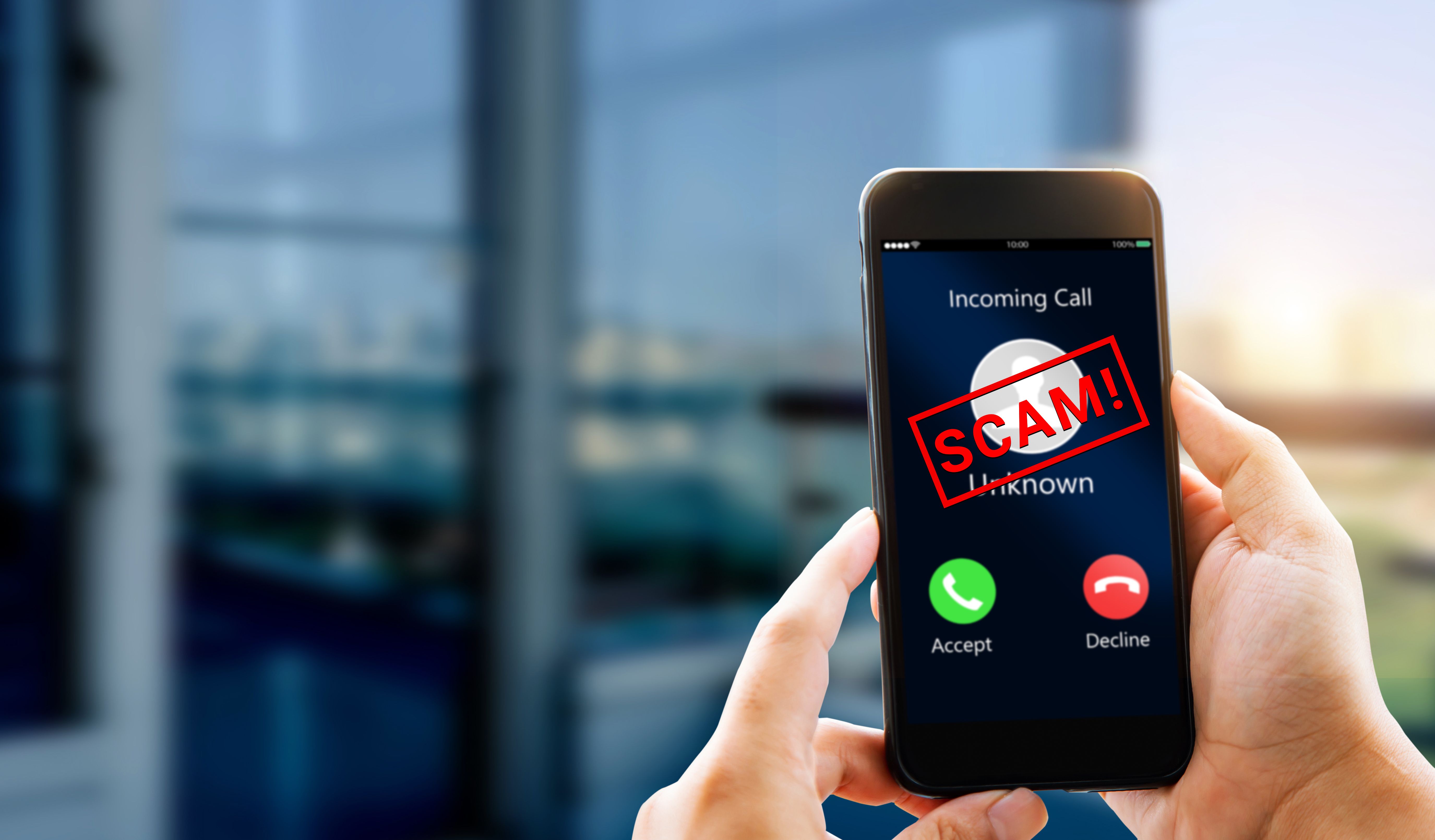
Tax season is stressful enough without the added worry of scammers trying to steal your hard‑earned money. One of the most common schemes that resurfaces year after year is the IRS impersonation scam—a tactic designed to pressure victims into making immediate, untraceable payments. Knowing how this scam works and how to protect yourself is essential for keeping your finances and personal information safe.
How the Scam Works
You receive a sudden phone call from someone claiming to be an agent with the Internal Revenue Service (IRS). Their tone is serious—urgent, even. They may provide what sounds like a real badge number, reference your name or partial personal details, and state that you owe money due to an issue with your recent tax filings.
Then comes the threat.
The caller may warn that you will face hefty fines, lose your property, or even be arrested if you don’t make a payment immediately. To heighten the fear, the scammer may demand that you stay on the phone while you “resolve” the issue, insisting that you pay via wire transfer, gift card, prepaid debit card, or another untraceable method.
But here’s the truth:
This caller is not from the IRS.They’re a cybercriminal attempting to pressure you into sending money that will go directly into their pockets.
These scams often seem convincing because scammers use sophisticated tactics such as spoofed caller ID numbers, fake IRS terminology, and intimidating language. Their goal is simple: scare you into reacting before you have time to think.
How You Can Protect Yourself
Fortunately, recognizing the warning signs can help you avoid falling victim to tax scams. Keep these key points in mind:
1. The IRS will not call to threaten you.
If there’s an issue with your taxes, the IRS typically begins by contacting you through official mail, not with unexpected phone calls demanding immediate payment.
2. The IRS will not demand payment by gift card or wire transfer.
Legitimate tax payments are never requested via prepaid debit cards, cryptocurrency, gift cards, or wire transfers. Scammers prefer these payment methods because they are harder to trace and nearly impossible to reverse.
3. Fear is the scammer’s most powerful weapon.
Scammers create urgency because they want you to act impulsively. If a caller threatens arrest or legal action, stop and think. Take a moment to breathe, hang up the phone, and verify the situation independently.
4. Protect personal details.
Never share sensitive information—such as Social Security numbers, banking information, or personal identification—over the phone unless you are absolutely certain of the caller’s identity.
5. Verify suspicious calls.
If you are unsure whether the call is legitimate, independently contact the IRS using the official phone numbers listed at IRS.gov. Do not use any phone number provided by the caller.
How Minnesota National Bank Can Help
Minnesota National Bank plays a crucial role in helping protect customers from tax scams and other types of fraud. Here are ways the bank can support you:
1. Alerting customers about emerging scams.
Regularly share fraud warnings and educational materials—like this article—to ensure customers are aware of the technique’s scammers use.
2. Assisting customers who suspect fraud.
If you believe you may have been targeted by a scam or have already made a payment, the bank can help you:
- Review account activity
- Attempt to stop or recover certain types of transfers
- Secure your accounts
- Provide guidance on next steps
3. Offering secure payment methods.
Minnesota National Bank can provide safe, traceable payment options and can help customers distinguish legitimate financial requests from fraudulent ones.
Stay Vigilant, Stay Safe
IRS impersonation scams rely on fear, urgency, and confusion. By understanding how these schemes work—and by remembering that the real IRS will not threaten you or demand untraceable payments—you can protect yourself from becoming a victim. And if you ever feel uncertain, Minnesota National Bank is here to help.
Taking a moment to pause, verify, and report suspicious activity can protect your finances, your identity, and your peace of mind.
Comments