

Joe Fuechtmann & Mikki Kelly
Updated 11:17 AM CDT, Fri March 27, 2026
Published Under: Fraud
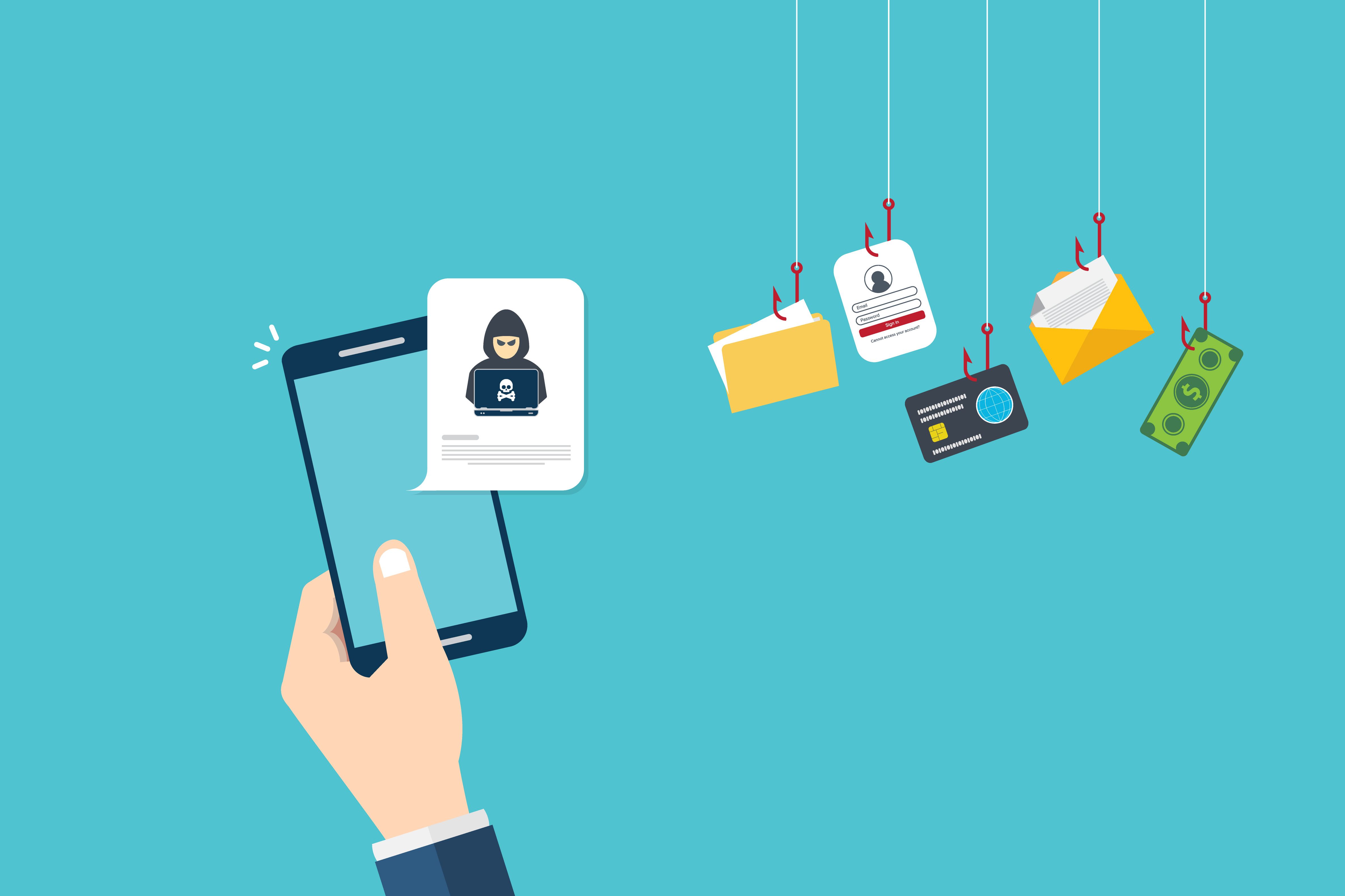
As winter weather brings freezing temperatures, heavy snow, and dangerous wind chills, many people rely on accurate information from their utility providers to stay safe. Unfortunately, cybercriminals see this as the perfect opportunity to take advantage of customers’ fears. A new wave of text-message-based utility scams—often called smishing scams—has been circulating, and they are catching people off guard at the worst possible times.
These scams typically begin with a seemingly urgent text message claiming to be from your local power company. The message warns that outages are expected in your area due to extreme cold and provides a link to view an “outage map.” For anyone experiencing severe winter weather, the temptation to immediately click the link can be strong. After all, who wouldn’t want to know if they’re at risk of losing heat or electricity? But that’s exactly what the scammers are counting on.
How the Scam Works
The message appears legitimate at first glance, using urgent language and referencing real weather conditions. However, the link in the text does not lead to your provider’s website. Instead:
- It may install malware onto your device, giving cybercriminals access to sensitive information.
- It may direct you to a fake website designed to look like your utility provider’s page, where you're prompted to enter personal information such as your account number, login credentials, or even payment details.
This tactic preys on fear, urgency, and the natural desire to protect your household during a storm or cold snap.
Once scammers have your personal information, they can use it to steal your identity, access your bank accounts, or commit various types of fraud. That’s why recognizing and avoiding these smishing attempts is crucial.
How You Can Protect Yourself
Staying safe from utility text message scams comes down to awareness and caution. Here are the best ways to protect yourself:
1. Never Click Links in Unexpected Text Messages
Legitimate utility companies do not send clickable outage links via text. If you receive one, assume it’s suspicious.
2. Go Directly to the Source
If you want to verify outages, open your utility provider’s official website or mobile app manually—not through a texted link. These platforms provide reliable, up-to-date outage maps and alerts.
3. Slow Down and Think Before Acting
Scammers rely on panic and urgency. If a message tries to scare you into quick action, that’s a red flag. Take a moment to evaluate the message before responding.
4. Look for Signs of a Fake Message
Be cautious of:
- Misspellings
- Generic greetings (“Dear Customer”)
- Strange URLs
- Unexpected threats or pressure to act quickly
5. Report Suspicious Messages
Most utility companies encourage customers to report scam attempts. You can also report smishing texts to the FCC or forward them to 7726 (SPAM).
How Minnesota National Bank can help
Minnesota National Bank plays a critical role in protecting customers from scams like these. We can help by:
1. Providing Clear, Proactive Education
Regular communication—via newsletters, online banking alerts, or social media—to educate customers about current scams, explain how they work, and outline what to avoid.
2. Offering Identity Protection Resources
Minnesota National Bank’s team can guide customers to tools such as credit monitoring, fraud alerts, or account activity notifications. These services help detect fraudulent activity early.
3. Making It Easy for Customers to Report Fraud
Access to fraud specialists, and user-friendly reporting channels ensure customers can act immediately if they suspect their information has been compromised.
Stay Aware, Stay Warm, and Stay Protected
Utility smishing scams may be on the rise, but with awareness and caution, you can protect yourself and your financial well-being. Always rely on official channels for outage information, think twice before clicking unexpected links, and contact Minnesota National Bank or the utility provider if something feels suspicious.
Staying vigilant ensures that even in the coldest weather, you won’t be left out in the cold by scammers.
Comments